_edited.png)

Humane Reception on the Border and Beyond
Expanding capacity for humane reception is a crucial aspect of effective border management, ensuring a prepared and sustainable plan for handling arriving migrants. Asylum seekers often face dangerous conditions during their journeys and need immediate care, including shelter, food, and medical assistance.
Strengthening this infrastructure helps prevent uncoordinated street releases of vulnerable people and ensures safe, orderly transitions into communities.
Intentional Capacity Building
Stabilize
Centralized Reception
Many border communities are small and rural, and human services resources are limited. Consolidating emergency reception partners into one collaborative location helps ensure that all arriving migrants benefit from triage services prior to moving on to shelter or onward travel into the interior, while building a robust and resilient community network.
Assess
Trauma-Informed Intake
Trauma-informed intake and data collection are essential for ensuring the well-being and safety of asylum seekers who have often endured extreme hardship. A supportive environment that reduces retraumatization while gathering critical information not only promotes trust but also leads to more accurate data, helping to inform better services..
Heal
Acute Medical Services
Providing healthcare alongside emergency reception is essential to address the immediate needs of asylum seekers, many of whom arrive in fragile conditions after dangerous journeys. Early medical attention helps treat critical conditions, preventing escalation to emergency care, and providing critical intervention for unmanaged chronic conditions and injuries.
Transition
Transitional Case Management
Effective case management during the transitional phase is vital to ensure asylum seekers without U.S. family members move onward into safe and supportive housing. Coordinating resources and providing individualized guidance helps migrants secure stable living conditions, and reduces the risks of long-term homelessness while their legal process proceeds.

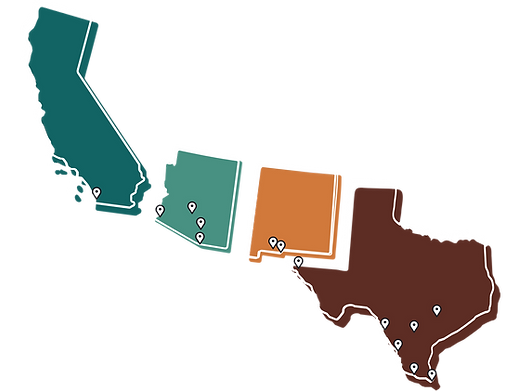
Southwest Border Shelter & Reception
.png)
A small but dedicated network of shelters and reception partners forms the backbone of emergency triage services for asylum seekers arriving at the southern border. These organizations provide critical support, offering food, shelter, and medical care immediately after migrants are released from federal custody. Their coordinated efforts are essential for ensuring that vulnerable individuals receive the care they need during the initial stages of their journey.